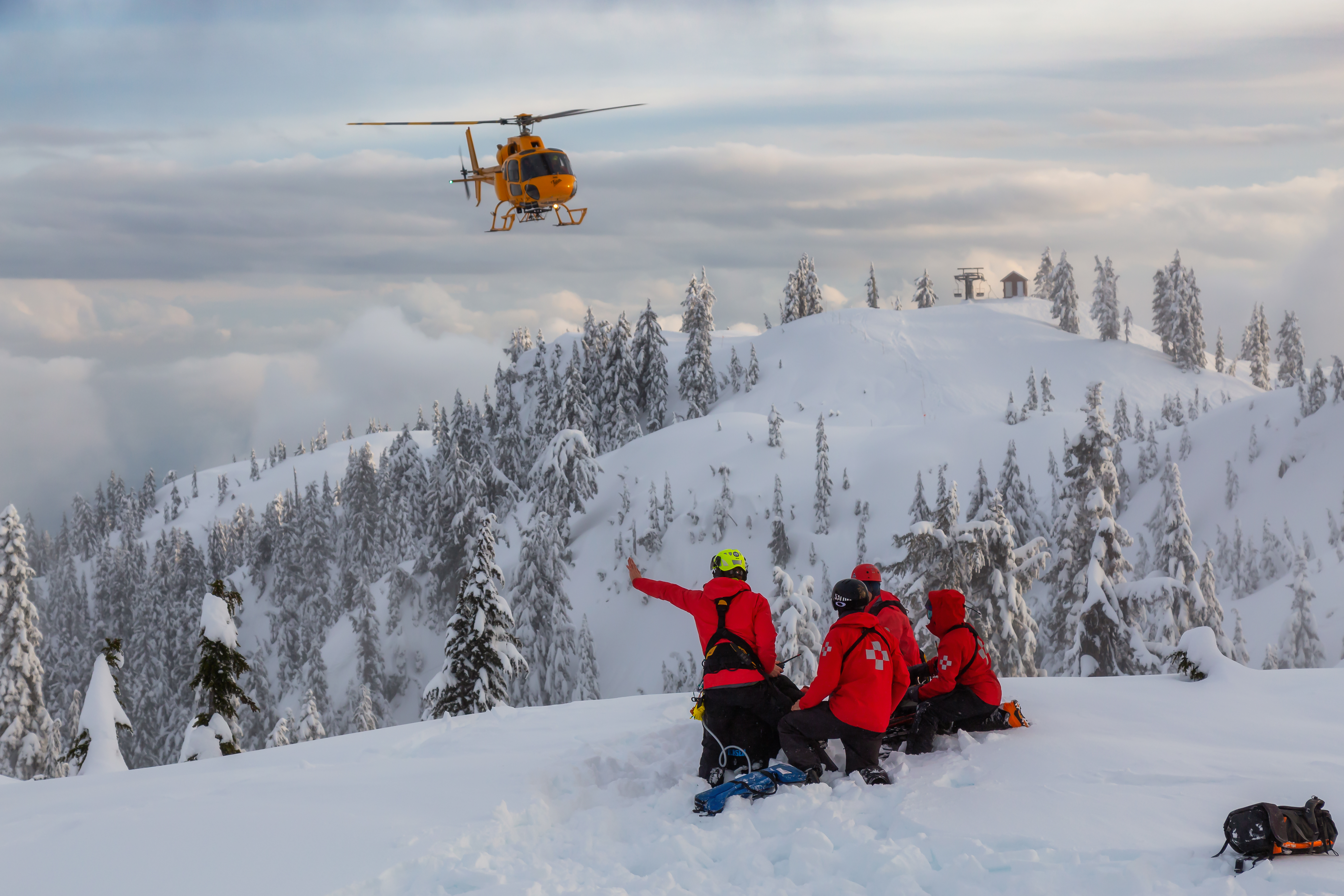
The Telluride Ski patrol strike has brought national attention to a long-standing issue in the ski industry. Ski patrollers keep mountains safe, yet many struggle to earn a livable wage.
After months of negotiations, Telluride’s owner, Chuck Horning, failed to reach an agreement with the ski patrol union. On December 27, 2025, members of the Telluride Professional Ski Patrol Association went on strike, prompting the resort’s owner to close operations and leave the Telluride community in limbo at the height of ski season.
What Is Happening at Telluride?
Telluride Ski patrol members have gone on strike after failing to reach a new labor agreement with the resort. The patrol union represents highly trained professionals responsible for mountain safety, avalanche mitigation, medical response, and lift evacuations. Without ski patrol, the mountain cannot legally operate. Resort leadership announced a full closure shortly after the strike began.
With the mountain closed, lift tickets cannot be used, ski schools, rentals, and on-mountain dining remain unavailable. Without knowing how long the strike will go on, travelers are canceling their previously planned Telluride ski trips. Local hotels and rentals are being inundated with cancellation requests, as travelers try to rebook at other ski resorts.
The resort’s closure impacts the whole Telluride community. The resort sits at the heart of the local economy and many businesses rely on winter tourism. Restaurants, shops, guides, and hotels will feel the financial strain the longer the strike drags on.
What Telluride Ski Patrol Wanted
Ski patrol asked for fair compensation that reflects their expertise, risk, and responsibility. Many patrollers earn wages that fall below local living standards.
Key demands included:
- A livable wage adjusted for Telluride’s cost of living.
Starting pay is currently $21 an hour, while the most senior, specialized patrollers earn $30–$35 an hour. The union proposed raising starting pay to $28 an hour and top-tier wages to $39–$48 an hour, reflecting experience and advanced certifications. This would be a $7 an hour increase for new ski patrollers and a $13 an hour increase for the most senior and specialized patrollers. - A compensation structure that rewards experience and specialized skills.
The union is seeking a system that helps retain veteran patrollers and preserves institutional knowledge critical to mountain safety. - Long-term job security and basic benefits.
Patrollers currently receive a $60 per week stipend intended to cover healthcare and gear, with no additional benefits. The union is not seeking to increase this stipend; those costs are already built into the proposed wage increases.
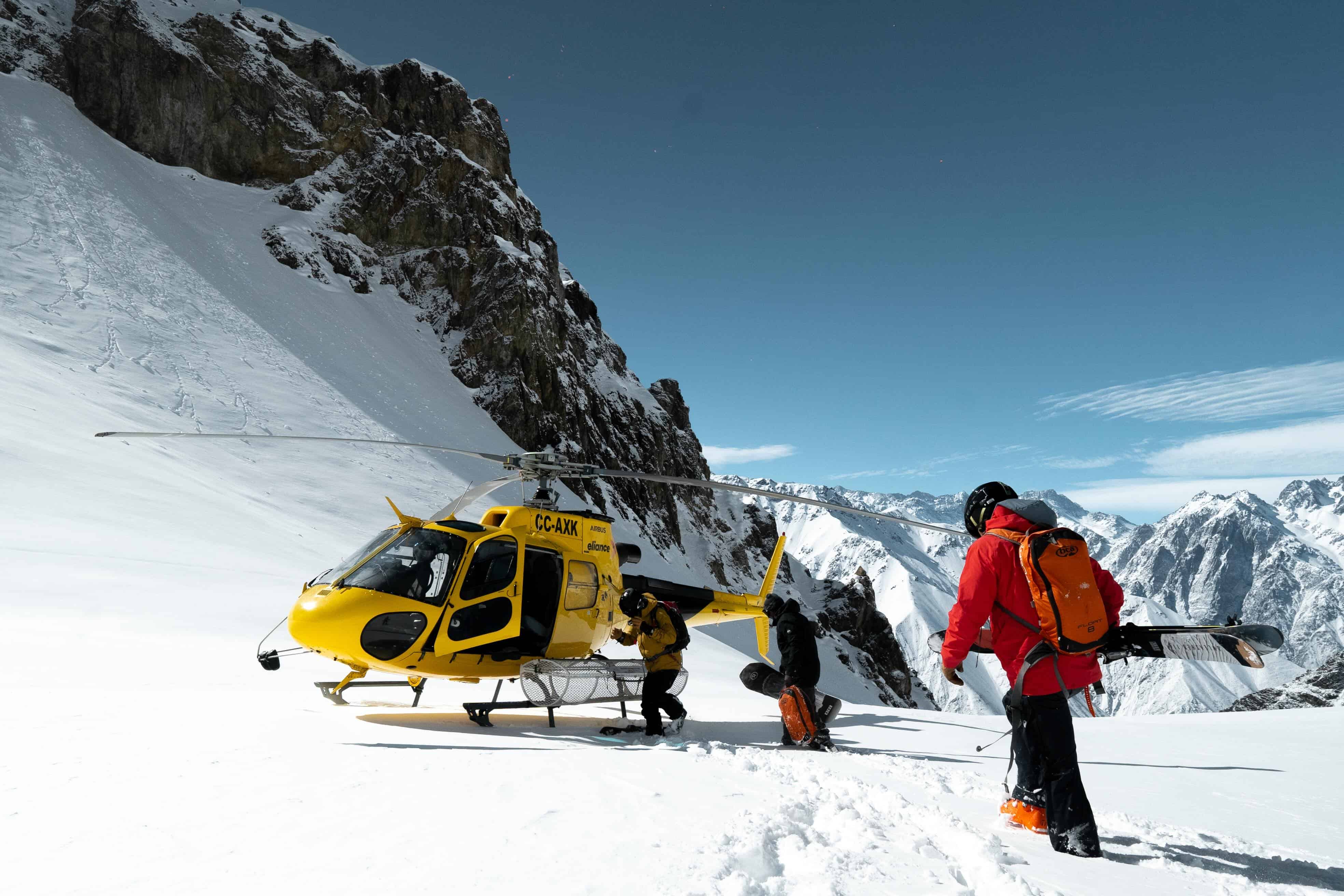
Patrollers are more than the mountain’s search and rescue team. Patrollers often hold EMT or paramedic certifications, delivering first aid and treating injuries before safely evacuating stranded skiers off the mountain. They hold certifications in avalanche safety and rescue and perform critical avalanche mitigation work. They manage dangerous terrain in extreme conditions, putting themselves at risk to keep the mountains safe.
The union has been negotiating with the resort since June and agreed to work without a contract to support opening day. But after December negotiations stalled, patrollers voted to strike.
While higher wages are central to patrol’s demands, the broader goal is sustainability. The union is pushing for a compensation system that rewards experience and specialized skills, helping the resort retain veteran patrollers whose institutional knowledge is critical to mountain safety.
Despite these responsibilities, many patrollers rely on second jobs or long commutes because they cannot afford to live in the community they protect.

Why This Is an Industry-Wide Issue
Telluride is not an isolated case. Last year Park City ski patrol went on strike for 13 days demanding better wages, benefits, and a fairer pay structure. Much the same as what Telluride is currently asking for.
Across the country ski patrol wages have lagged behind rising resort costs. Meanwhile, lift ticket prices and luxury developments continue to climb making skiing unaffordable and inaccessible to many.
Ski resorts depend on patrol to operate safely. Yet compensation has not kept pace with inflation or housing costs in resort towns. The average rent for a 1-bedroom apartment in Telluride is $3,594 a month. Zillow estimates housing costs in Telluride are 318% higher than the national average.
Patrol shortages already impact staffing at several mountains. This strike exposes a breaking point. Resorts must increase wages to retain experienced patrollers and to recruit new workers to the job. If resorts fail to pay essential workers a livable wage the industry will continue to lose top talent with key institutional knowledge faster than they can replace them.
The result is higher turnover, fewer seasoned patrollers, and a gradual erosion of on-mountain safety. At a time when climate change is increasingly making mountain conditions less predictable it is crucial to have highly trained, experienced ski patrollers on the mountain.
What the Numbers Say about Telluride’s Closure
Billionaire owner, Chuck Horning, has put out several statements indicated that the resort made its “best and final offer” and would not negotiate further. He is vocally blaming ski patrollers for the shutdown. Most statements from the California based billionaire, exclaim that the 35% wage increase is unreasonable and not feasible.
Theres been much debate over that headline number: a proposed 35 percent wage increase, it does seem exorbitant when presented as an isolated figure. However, when you break down the numbers, the real estate investor estimated to be worth $2 billion, appears unjustly sanctimonious.
Telluride ski patrol has not had a new contract and therefore has not negotiated new wages or benefits since 2022. In the past 3 years the national cost of living has risen 7-10% according to the Bureau of Labor Statistics. Estimates put Telluride’s cost of living between 50-75% higher than the national average. So 35% over 3 years doesn’t seem so unreasonable.
It’s also inaccurate to say that the unions demands are not feasible. The union agreed to a gradual increase over the next 3 years. They agreed to lower their demands multiple times but the resort has stopped negotiating.
To meet their demands, union leaders estimates, it would cost the resort approximately $112,000 in year one and $65,000 spread over the 3-year contract. The ski patrol team is only 78 people.
For a grand total of $177,000 (over 3 years) Mr. Horning has shut down the mountain. That is equal to 0.0089% of Mr. Horning’s estimated net worth. Meanwhile, estimates suggest Telluride could lose close to $500,000 for every day the resort remains closed. Two days into the strike and it already would have been cheaper for him to pay ski patrol what they originally asked.
Ways You Can Support Telluride Ski Patrol
Support matters, even if you do not ski Telluride regularly.
Here are ways to help:
- Share verified information from the patrol union, find updates and contacts on their official website here.
- Support local businesses that stand with patrol
- Contact resort leadership respectfully and express concern
- Donate to patrol support funds here
- Has ski patrol ever helped you on the mountain? Share your story!
This strike forces the industry to confront uncomfortable truths. Skiing depends on skilled labor at every level. Safety cannot be an afterthought. As resorts expand luxury offerings, worker pay must follow. Sustainable skiing requires sustainable jobs.
Ski patrol keeps the mountains safe. They deserve compensation that allows them to live in the communities they protect.
This is not just a Telluride issue. It is a ski industry issue. And it is one every skier and rider should care about.